
Homeschooling with a Toddler: A Practical Guide
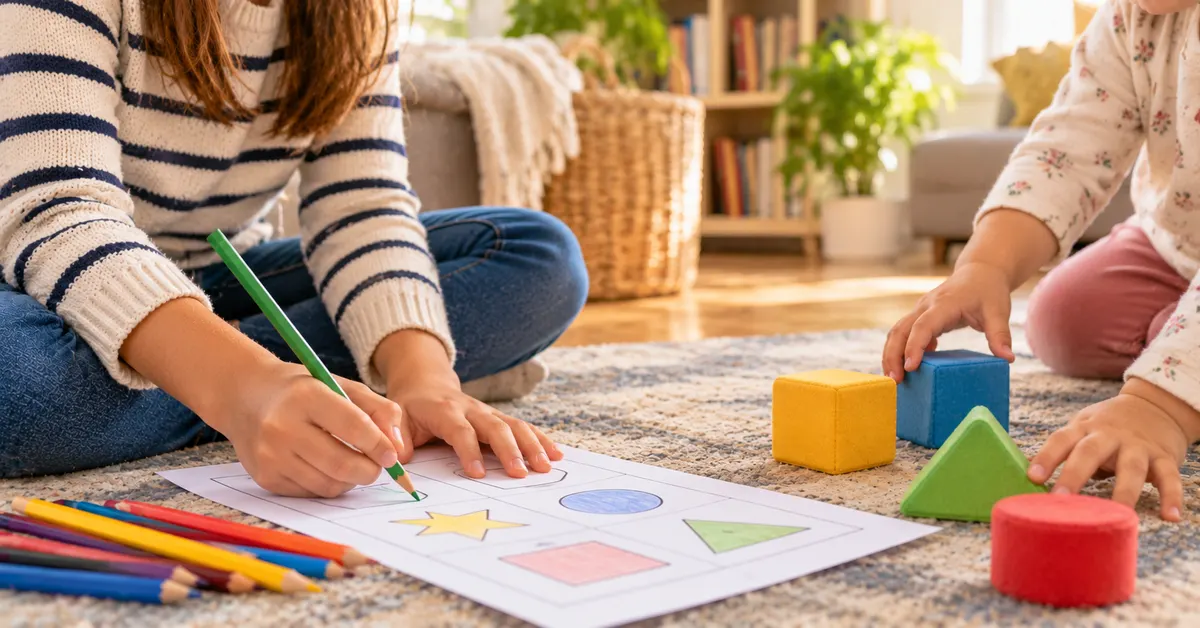
Homeschooling with a toddler in the house is one of the most common reasons parents worry they can't homeschool at all. The good news: it is entirely possible to keep lessons going for an older child while a toddler naps, plays, or refuses to nap — it just takes a different rhythm than homeschooling with only one age group. This guide walks through a realistic daily schedule, ways to keep a toddler occupied nearby, and what to do on the days nothing goes according to plan.
Why Homeschooling With a Toddler Feels Harder Than It Is
Most of the stress around homeschooling with a toddler doesn't come from the lessons themselves — it comes from expecting a toddler to act like a bigger kid. Toddlers interrupt, climb on things, and need hands-on supervision no matter how calm they are that day. Once you plan around that reality instead of fighting it, the day gets much easier.
The shift that helps most families is aiming for one focused lesson a day for the older child, rather than trying to recreate a full school day. One well-taught lesson, done calmly, teaches more than three rushed ones squeezed in around a crying toddler.
Building a Daily Rhythm That Works for Both Ages
A toddler's schedule — naps, snacks, outside time — can become the backbone of your homeschool day instead of working against it. Many families save the lesson that needs the most focus, like math or writing, for naptime or a quiet independent-play window, and leave lighter activities like a read-aloud or a nature walk for the times the toddler is underfoot.
A simple rhythm might look like this:
- Morning: breakfast, then outside or free play time for the toddler while the older child works through a reading or writing lesson.
- Midday: the toddler's nap or quiet-play window — prime time for the lesson that needs the most concentration.
- Afternoon: a shared activity everyone can join, like a read-aloud or a simple hands-on science observation.
For more ideas on building out a full week, see our realistic homeschool schedule for elementary grades.
Keeping Your Toddler Busy During Lesson Time
A toddler doesn't need to be entertained for hours — just for the stretch of time the older child needs to focus. A few things that consistently help:
- A lesson-time busy bin. Fill a bin with toys, books, or sensory activities that only come out during lesson time, so they still feel special weeks later.
- Parallel play nearby. Set the toddler up with blocks, crayons, or a puzzle at the same table, so the older child isn't working alone in another room.
- One short show in reserve, if that fits your household's rules, saved for the one lesson a day that truly needs quiet.
- Trading off, if there are two parents or caregivers at home. Even 20-30 minutes of coverage can be enough for one focused lesson.
None of these need to be elaborate. The goal is simply enough calm for the older child to read, think, and talk through one lesson without constant interruption.
Teaching an Older Child While a Baby or Toddler Is Also Home
When there's more than one older child at the table along with a baby or toddler, it helps to stagger lessons rather than trying to teach everyone at once. In the HSEA method, everything is printed ahead of time; the parent reads a lesson once with one child while the others work independently on their own exercises, then moves down the line to correct each child's work and check understanding before that child does the next day's screen review. For three older children each doing one lesson, that staggered approach takes about an hour and a half of parent time in total — not three separate 45-minute sessions back to back.
With a toddler in the mix, that same staggered rhythm works in your favor: the toddler's nap or play window becomes the time for the child who needs the quietest lesson, while older siblings work through their own exercises nearby. For more on splitting attention across several children, see how to homeschool several kids at once.
When the Day Falls Apart Anyway
Some days, a toddler won't nap, a lesson gets skipped, or everyone ends up outside instead of at the table. That's normal, not a sign that homeschooling with a toddler doesn't work. A missed lesson can simply move to tomorrow — at most two lessons a day is already the general pace to aim for, so there's rarely a backlog to catch up on.
If you want to see how lessons are organized by grade before you begin, browse homeschool levels for grades 1-6. A clear structure, printed ahead of time, makes it much easier to pick back up after a rough morning.
Homeschooling with a toddler asks for flexibility more than any special system. A simple daily rhythm, a few things to keep small hands busy, and a willingness to let a missed lesson wait until tomorrow will carry most families through this stage.
Frequently asked questions
How can you keep your sanity while homeschooling with a toddler?
Start by picking one lesson a day for the older child and protecting just that one window of time, often a toddler's naptime or quiet play. A busy bin of special toys for lesson time and a simple daily rhythm, like the one described above, make the rest of the day far less stressful than trying to fit in a full school schedule.
What can a toddler do while a parent teaches an older child a lesson?
Parallel play nearby works well: blocks, crayons, a puzzle, or a sensory bin kept just for lesson time. Many parents also use a toddler's naptime for the one lesson that needs the most focus, saving read-alouds or hands-on activities for times the toddler is awake and nearby.
How many lessons should an older child do when there's a toddler at home?
One focused lesson a day is a reasonable goal while adjusting to having a toddler in the house, and at most two lessons a day is the general upper limit either way. Consistency with one well-taught lesson matters more than cramming in extra material.
Is it normal for homeschool days to fall apart with a toddler around?
Yes. Missed naps, sudden tantrums, and short attention spans are part of having a toddler at home, not a sign that homeschooling isn't working. A skipped lesson can simply move to the next day without creating a backlog.